

Our conviction
Healthy work starts before the first complaint
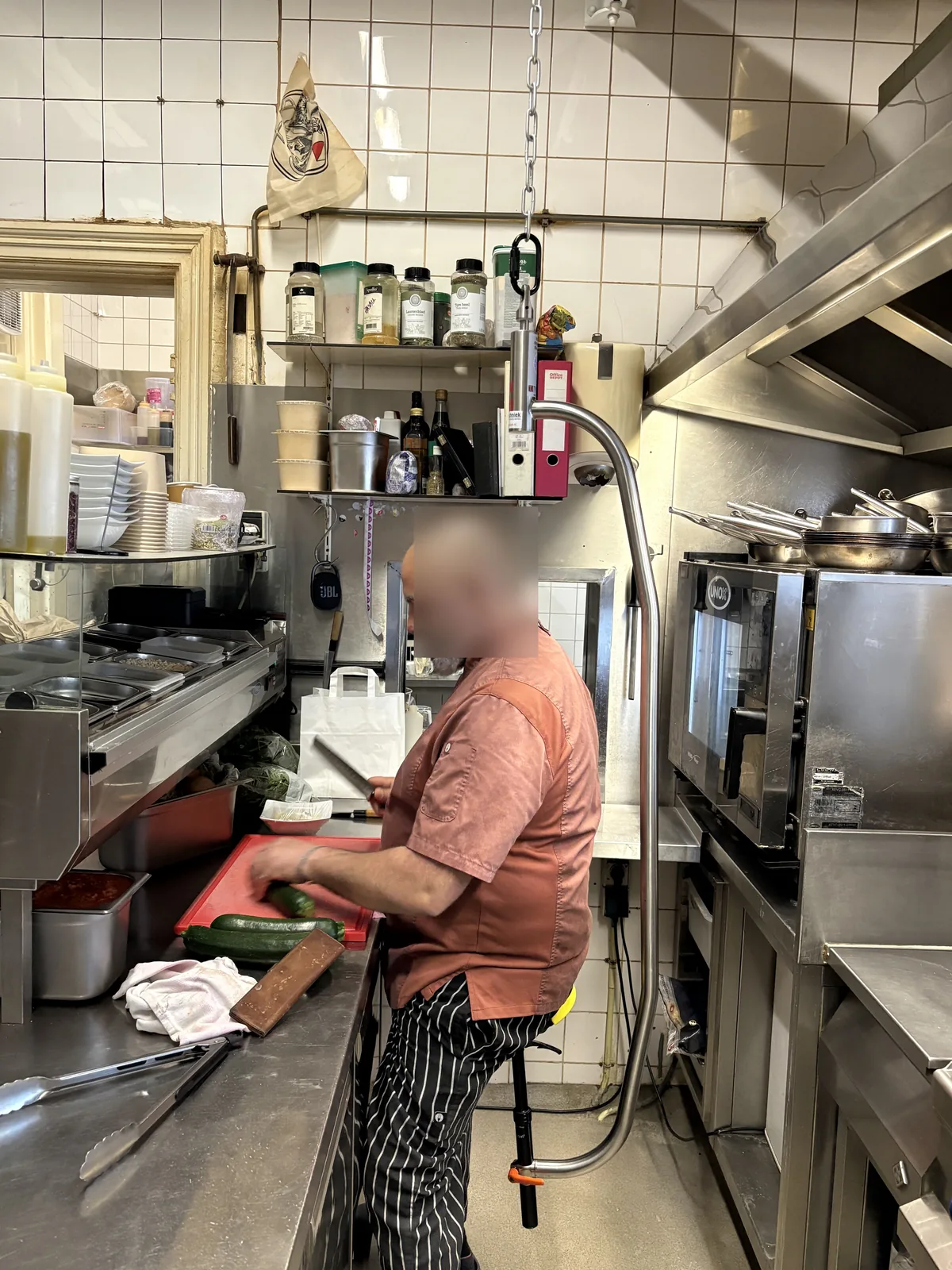
Physical complaints rarely come from one wrong movement. They build up, day after day, until someone calls in sick with a back that has stopped cooperating.
Usually that is the moment when something is finally done. We think it can be done sooner, and that it should be.
We believe that no one should have to give up their work because of physical strain that can be prevented or reduced.
Two insights
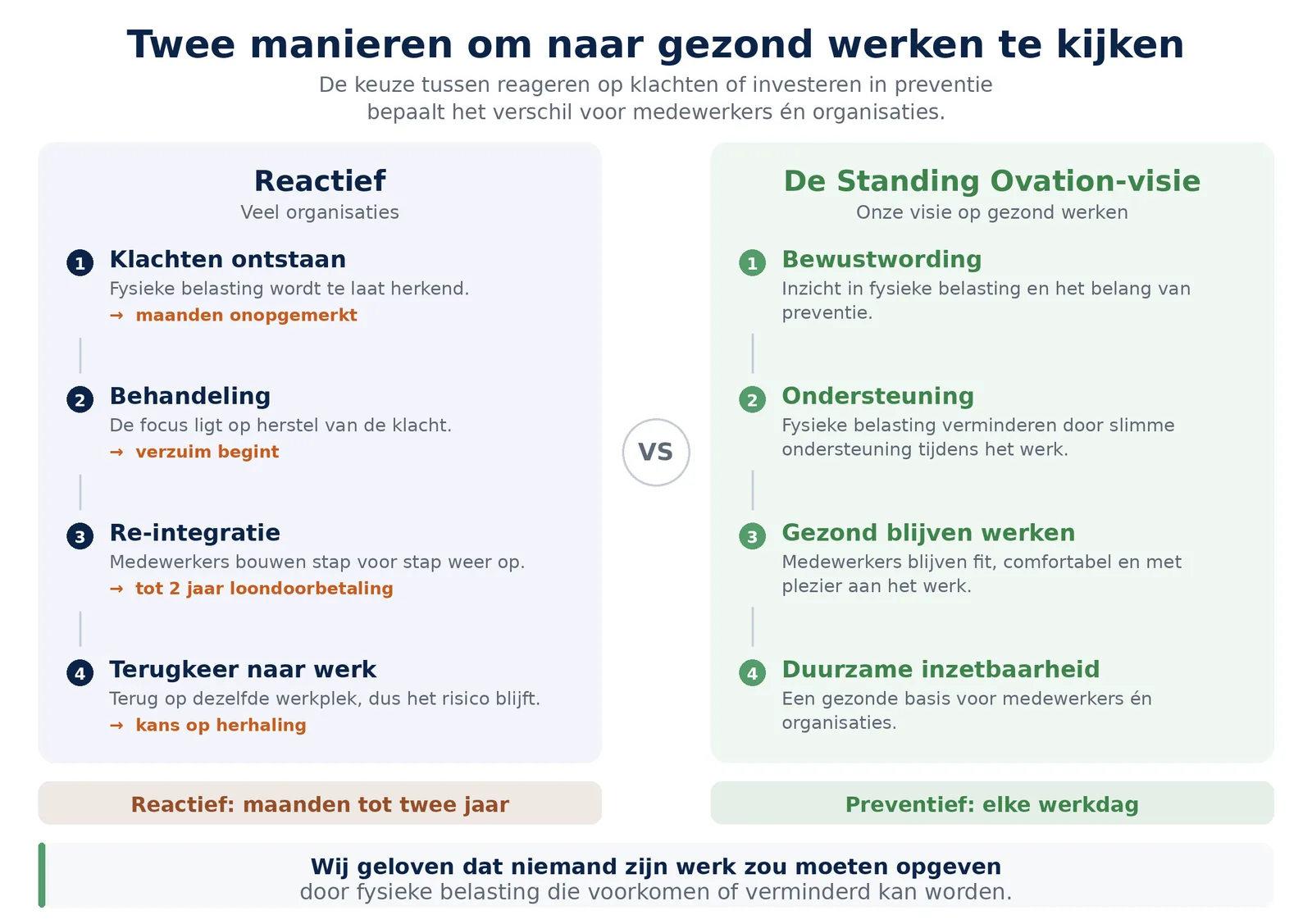
Reacting to complaints, or investing before they arise
Most organisations take the first route without consciously choosing it. A complaint arises, treatment follows, then reintegration and a return to the same workplace. That process runs on the clock of the Wet verbetering poortwachter, the Dutch act on reintegration during sickness: up to two years of continued wage payment.
The other route runs on the clock of the working day. That is the real difference between those two columns.
Our principles
Five principles
-
Prevention
Preventing is more effective than repairing. The greatest gain comes when the load goes down before anyone notices anything — not once the occupational physician is already involved.
-
Innovation
Innovation only has value when it genuinely helps people. That is why we choose solutions that lower the load without tying anyone to a single spot.
-
People first
No two shop floors are the same. We first listen to the people who do the work every day, and only then do we advise. The result is not a solution that happens to fit, but one that matches how the work is actually done.
-
Reliability
Honest advice, even when the answer is that a simpler adjustment will do. A system that carries body weight must also be reliable: patented, certified and checkable every year.
-
Keeping craftsmanship
When someone can keep working healthily, knowledge and experience stay in the building. Employees aged fifty and over in physically demanding work expect to be able to keep working healthily until 65.2; for colleagues without that strain it is 66.9. Almost two years of craftsmanship walking out of the door earlier.
Source: TNO and CBS, Netherlands Working Conditions Survey 2024
Our story
Devised by someone who could no longer stand himself
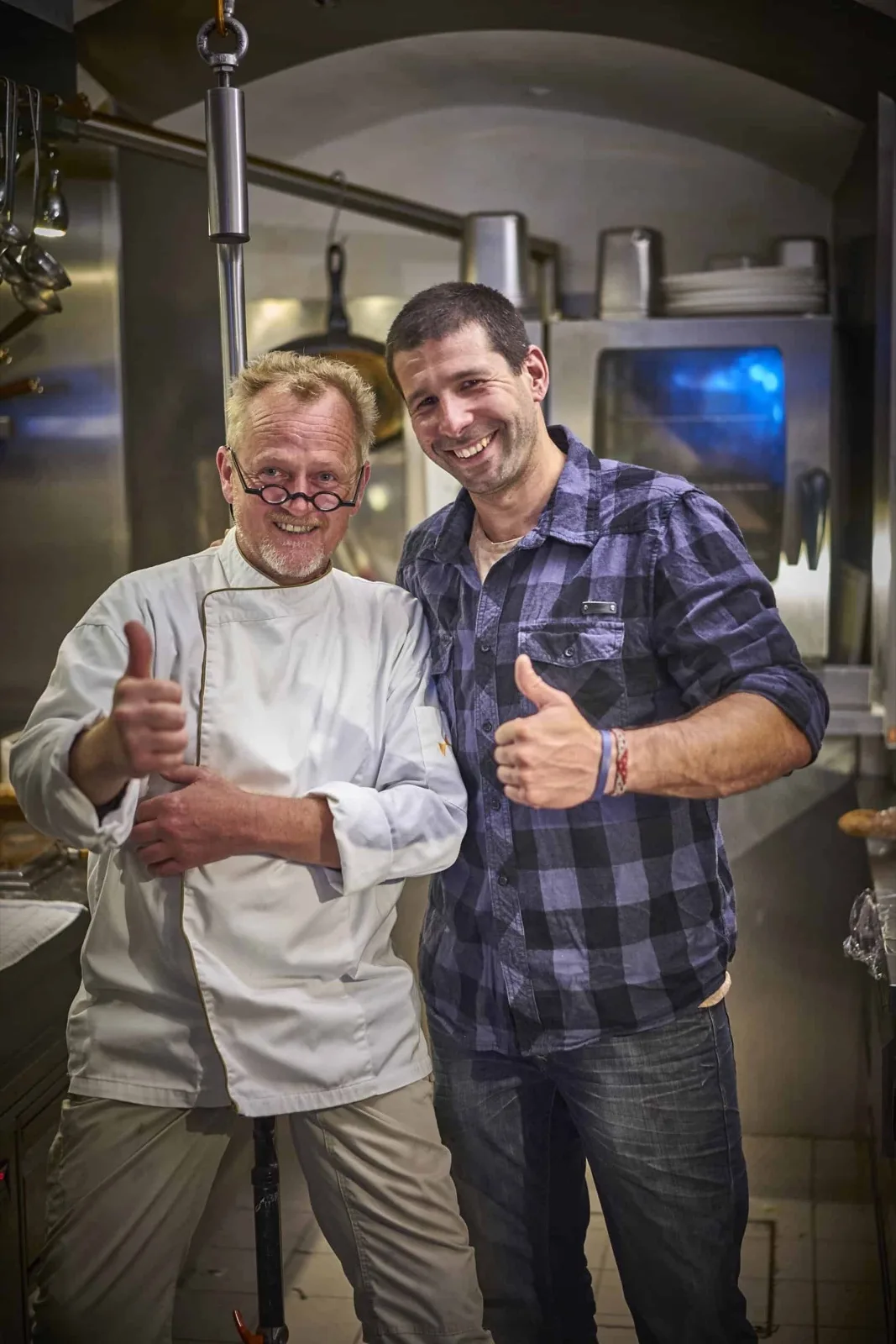
This vision is not an afterthought. Standing Ovation was invented by a chef who could no longer stand after an accident and wanted to get back into his own kitchen.
The solution
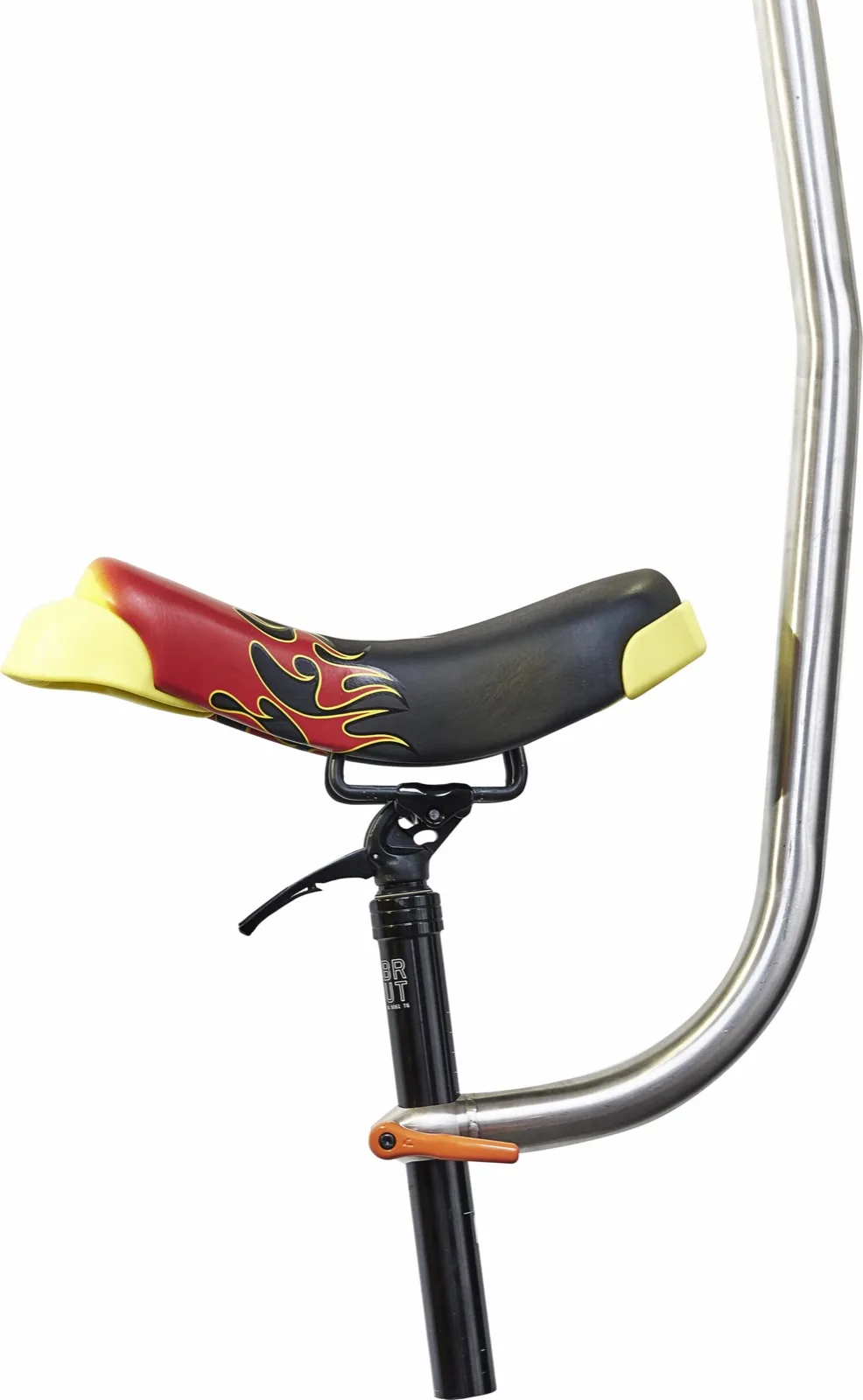
What Standing Ovation comes down to: a height-adjustable saddle on a curved tube. You sit on it, the system takes over part of your weight, and you carry on moving through the room as usual — with both hands free.
See how it worksCurious what this means for your shop floor?
Every workplace is different. We come by, watch how the work is done and show what is possible.