
Ask a hairdresser, a surgical assistant or someone on the assembly line how many hours a day they stand, and you rarely get an answer. Standing is not a task that gets scheduled. It just happens, in between everything else.
That is exactly why it stays out of view for so long. There is no moment when it goes wrong, no incident that turns up in an absence file later. The load piles up in silence, and the bill arrives years later: when someone calls in sick with a back that has stopped cooperating.
What happens as soon as you stand still
Standing still looks passive, but the body is working hard. To stay upright, muscles in the feet, legs, hips and back make constant small corrections. That tension never fully lets go. Where walking and sitting give repeated short moments of relief, standing gives none.
Meanwhile something happens in the circulation. When walking, the calf muscles act as a pump that pushes blood back towards the heart. Stand still and that pump falls away, leaving blood pooling in the legs. Hence the swollen ankles at the end of a shift, the heavy legs on the ride home and, after years, varicose veins and night cramps.
The limit lies at one hour
The Dutch occupational health portal Arboportaal speaks of prolonged standing still as soon as it lasts longer than sixty minutes at a time. Research into static standing arrives at roughly the same point for lower back pain. For people with previous back complaints, it averages just 42 minutes.
The rule of thumb in the Dutch industry health guidelines is therefore short: no more than an hour at a stretch, no more than four hours a day. Anyone structurally exceeding that should not be surprised when complaints follow.
The complaint that ‘comes with the job’
The body adapts. That is not just a detail; it is the heart of the problem.
Tired legs after a long shift become part of the profession. A stiff back on Monday morning is something you joke about, not something you report. And because colleagues feel the same, everyone confirms everyone else in the same conclusion: that is just what the work is like.
Usually the conversation only starts when it carries over at home. No more going down the stairs without the handrail. Shopping that has to be done in two trips. By then years of load have passed, and the easy solutions have become the hard ones.
What it costs, in figures
That this is no fringe issue is clear from the Netherlands Working Conditions Survey by TNO and CBS. Of all employees in the Netherlands, 37% do physically demanding work. And 60% have musculoskeletal complaints.
Those complaints translate directly into absence. Almost a quarter of all work-related days of absence stem from the musculoskeletal system. The continued wage payment for that alone costs Dutch employers some 1.5 billion euros a year.
The effect reaches beyond the absence counter. Employees aged fifty and over in physically demanding work expect to be able to keep working healthily until 65.2. For colleagues without that strain it is 66.9. Almost two years of craftsmanship leaving earlier, in a labour market where experienced people are hard to replace.
Four things you could do this month
- Measure how much standing actually happens. Do not estimate, count. Follow a shift or have a team record for a week how long they stand in the same spot at a stretch. That outcome is almost always higher than the roster suggests.
- Build variation into the work, not into the break. Breaks are too scarce and too short to break the load. Alternate tasks, schedule the administrative part sitting down, or let people rotate across posts with different postures.
- Name standing work separately in the risk assessment. In many Dutch RI&E risk assessments, the section on physical strain is almost entirely about lifting. Standing work is then one line, without a norm and without a measure. Put the hourly limit in concretely.
- Ask the question before the first complaint. “Where do you feel your work at the end of the day?” is a better question than “do you have any complaints?”. The first almost always gets an answer; the second almost never does.
Where Standing Ovation fits
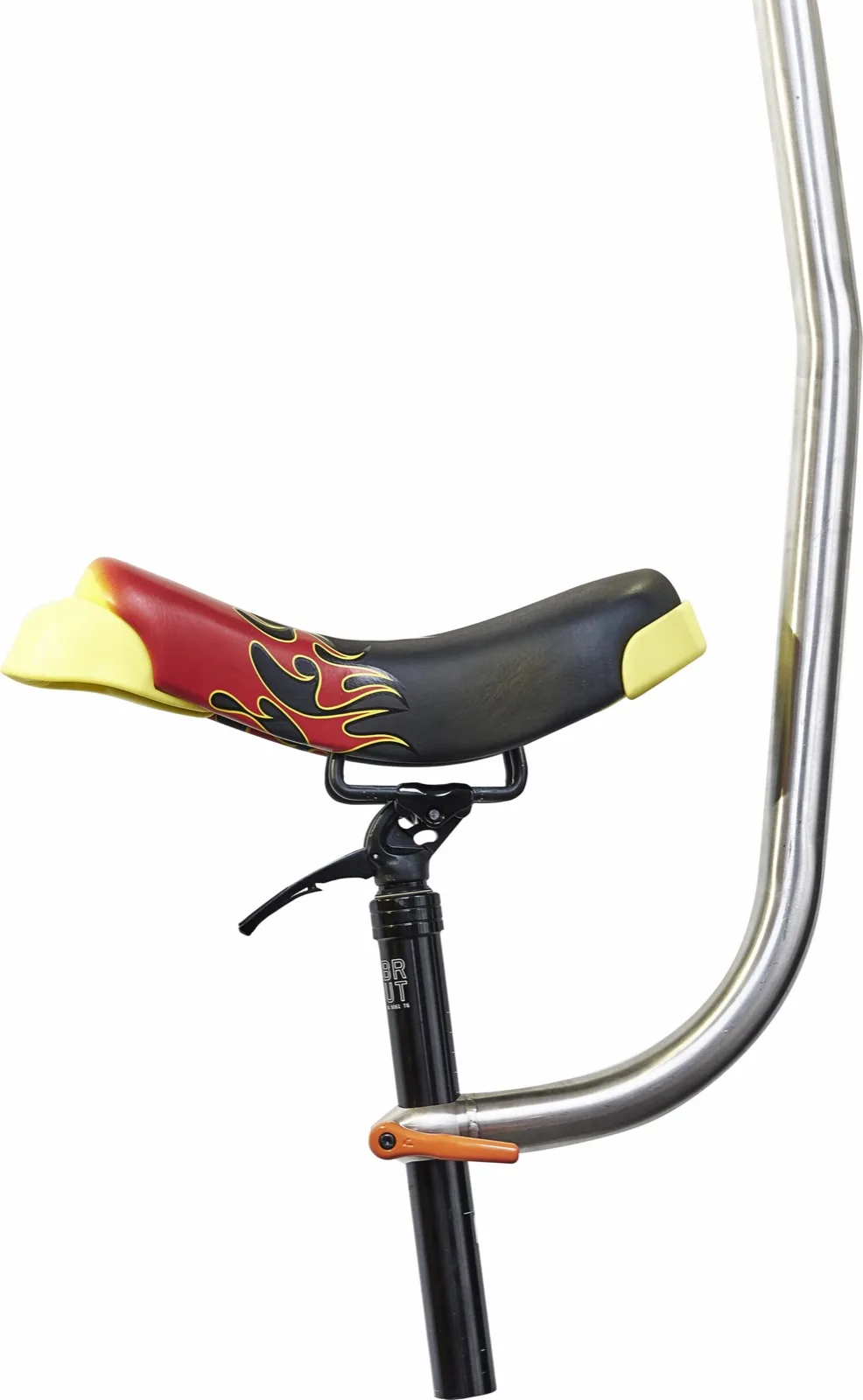
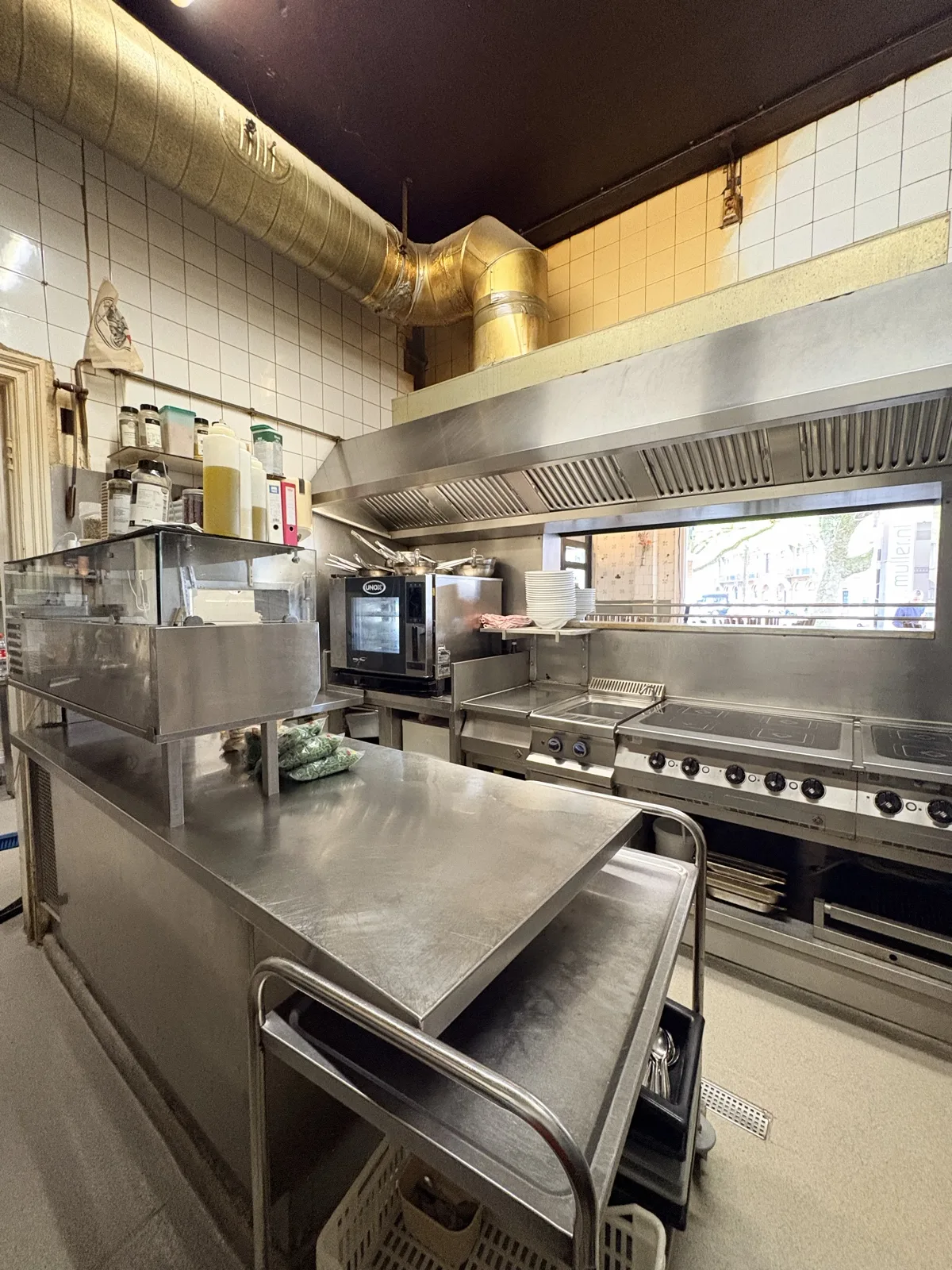
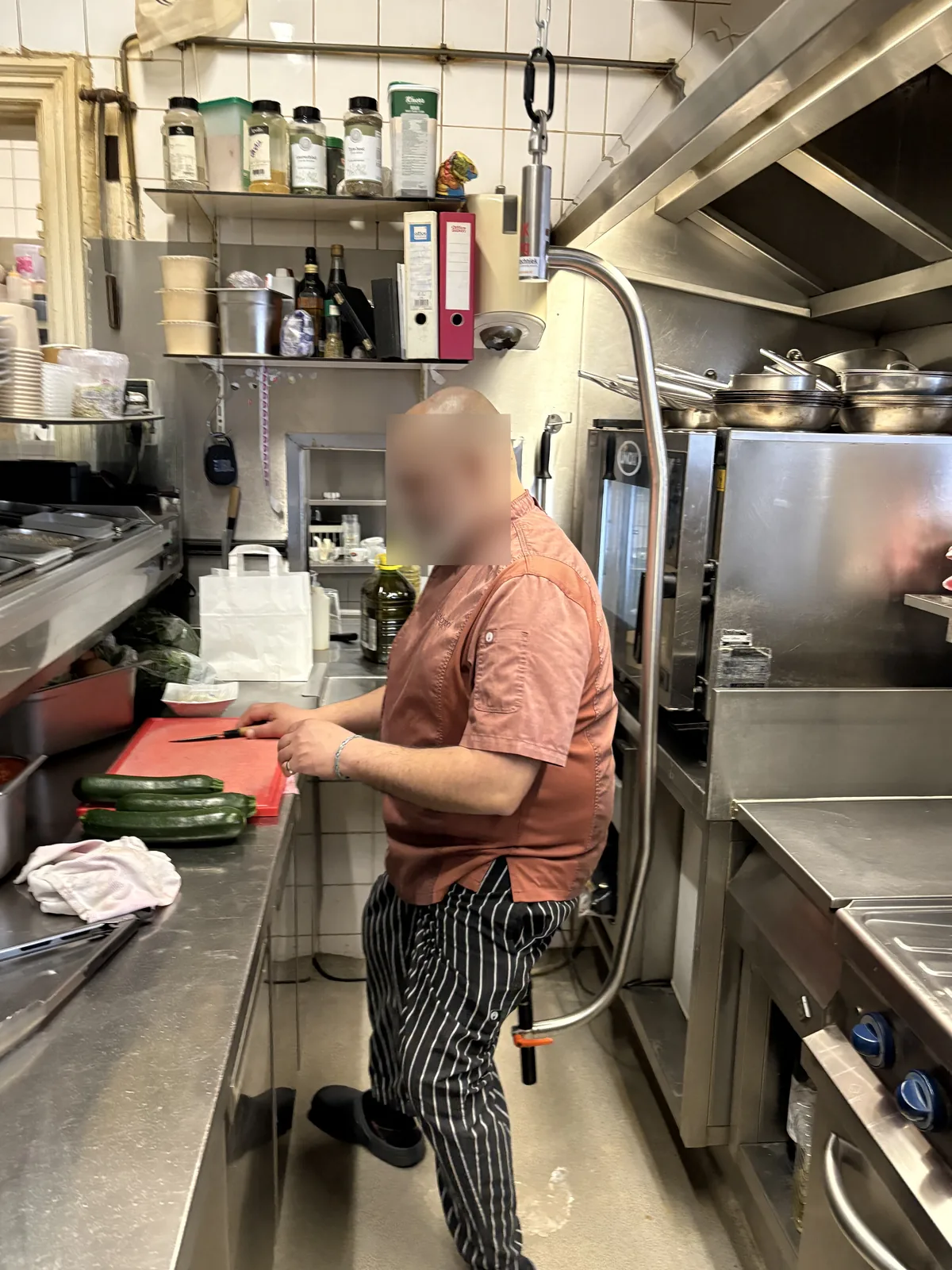
Sometimes standing work cannot be designed out of the process. A chef stands at his line, a lab technician at the fume cupboard. When variation and redesign reach their limit, the question remains how to lower the load without removing the freedom of movement the work needs. That is where Standing Ovation sits: an overhead rail system with a mobility support — a frame with a height-adjustable saddle — that takes over part of the body weight, while the person simply carries on moving through the room.
Further reading
Sources
- TNO en CBS, Nationale Enquête Arbeidsomstandigheden 2024; TNO-factsheet Fysieke arbeidsbelasting (2025)
- Arboportaal, Statische werkhouding: staand werk
- Gezondheidsraad, Staand, geknield en gehurkt werken
- Arbocatalogi en ergonomierichtlijnen voor de urengrenzen bij statisch staan
See how it works
About the author
Saffira Adam writes the knowledge articles for Standing Ovation. She translates research, figures and practical experience into pieces that employers, HR and occupational health professionals can act on come Monday morning.